
| Updated:
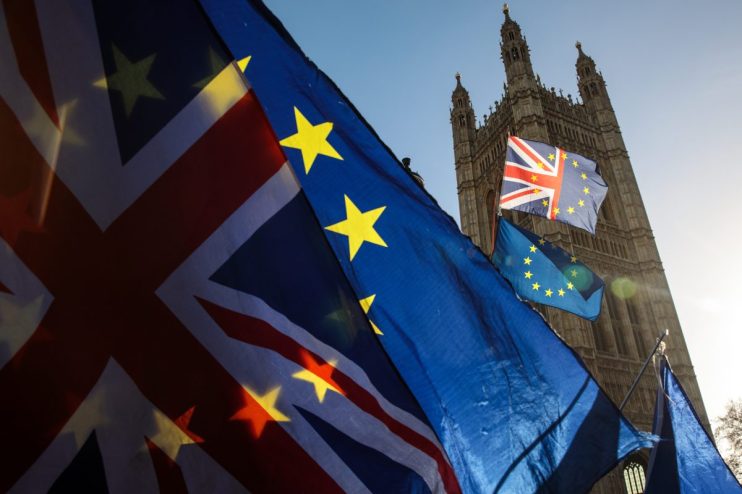
Fans of Clarkson’s Farm will know that, for British farmers, dealing with the EU presents an endless stream of headaches and paperwork.
But things are changing fast – too fast, many worry – in the UK’s complex web of food production, and farmers and manufacturers are scrambling to meet changes in legislation coming down the pipeline.
The UK and the EU are working to realign on food standards, aiming to cut border checks and paperwork that have made exporting to the EU arduous, as part of broader renegotiations with the bloc spearheaded by Keir Starmer and Rachel Reeves.
Addressing the issue, Defra secretary Emma Reynolds said: “We are resetting our relationship with the EU, our closest and largest trading partner, to make trade easier and cheaper, and deliver tangible benefits for British businesses.”
The EU is internationally recognised for its strict legislation on food standards. But the EU does not have higher standards than the UK, despite what ominous ‘Not for EU’ stickers on packaging might lead you to believe. The situation is more nuanced. Standards vary across different sectors; the UK is stricter than the EU on several animal welfare regulations, for example.
But in the first few months of this year, alarms have sounded on animal welfare in the supply chains of some of the UK’s biggest food and drink brands. In January, Tesco suspended sourcing of Scottish salmon from a fish farm in Skye after footage emerged of employees irresponsibly dumping diseased fish into a sea loch. In February, eight major restaurant chains – including KFC, Nando’s, and Popeyes – dropped their pledge to stop using fast-growing ‘franken-chickens’.
Complex web of different regulations
International trade deals made by both the UK and EU since Brexit have brought different standards to the table, so that identifying the discrepancies and bringing them into alignment poses a hard task.
The UK signed a free trade agreement with Australia in 2021 and, in 2024, entered into the CPTPP (Comprehensive and Progressive Agreement for Trans-Pacific Partnership) with eleven other countries.
Negotiations on a trade agreement with Gulf states have been ongoing since 2022, despite backlash from British farmers – anxious that they’ll be undercut by chicken importers producing to lower animal welfare standards – as well as from human rights and environmental organisations concerned about a lack of legal protections for migrant workers and the environment in the Gulf.
Meanwhile, government figures state a 22 per cent drop in the value of UK food and agricultural exports to the EU since 2018, with modest gains made in exports to other markets.
Rachel Reeves has called for closer EU alignment. In her recent Mais Lecture, Reeves said that “no partnership is more important than that between the UK and our European neighbours” and that “closer alignment is the right course for Britain.”
Streamlining agri-food trade will be key. The EU SPS (Sanitary and Phytosanitary) agreement will reestablish a shared set of standards for food production in the UK and in the EU.
Manufacturers race to prepare for new EU deal
The deal is expected to come into effect by mid-2027 – a tight time frame for UK manufacturers to adapt in, though many businesses who have lost out on EU exports welcome the prospect of swift change.
SPS products, like meat and dairy, are heavily inspected. Less processing means higher sanitary risk, so these products require export health certificates to enter the EU. This red tape is a driving factor for EU realignment, but the deal impacts far more than just SPS products.
‘The “SPS agreement” will impact all UK food and drink manufacturers – even if they don’t trade with the EU or produce “SPS products”, such as meat and dairy,’ says Balwinder Dhoot, Director of Industry Growth and Sustainability at the Food and Drink Federation (FDF).
“This is because the SPS agreement isn’t like a traditional trade deal,” says Dhoot. “In order to remove the additional checks and certifications that UK businesses have faced since our exit from the EU in 2021 we will have to realign our domestic food law with the EU’s food laws.”
Changes will ripple elsewhere in the UK’s international agri-food trade.
Last week, the first shipment of Northern Irish beef reached the US, launching a new beef trade deal with a reciprocal 13,000 tonne quota.
This deal removed tariff barriers, but not welfare barriers, meaning US exporters still have to comply with UK production standards. As those standards change to align with the EU, this new relationship will have to adapt, too.
Brexit – as its advocates and critics would acknowledge – was never a done deal; instead it’s become an evolving dance of negotiations, trade-offs and regulatory rewrites that will always result in winners and losers.
#Firms #scramble #prepares #align #food #standards