
| Updated:
Boosting trade is the single best way to improve the long-term fortunes of the UK despite the economy being hit by a barrage of supply chain fractures and geopolitical shocks, the Bank of England’s former chief economist has said.
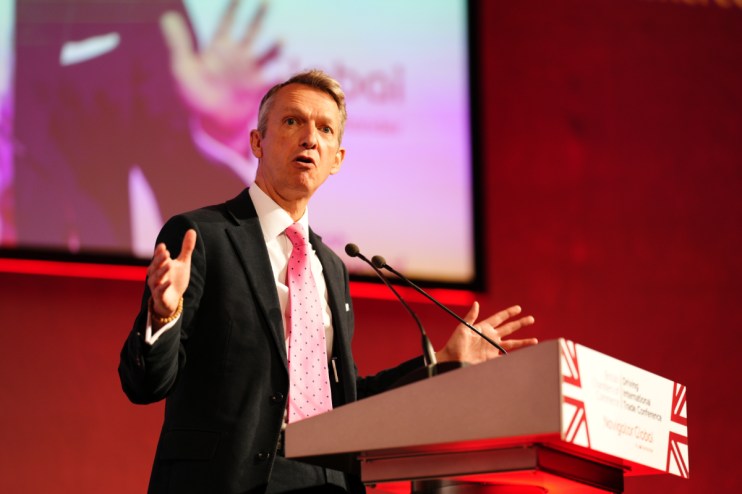
In his first speech as president of the British Chambers of Commerce, Andy Haldane told delegates that even though people were “queuing up” to declare the death of globalisation, “no policy tool on the planet” would boost the UK economy more than embracing international trade.
“Those that write obituaries for globalisation are being hopelessly premature,” he said. “There may be a rupture in the global world order, but it is to the achilles not the aorta: painful, but provided we play our policy cards right, it need not be fatal.”
A succession of macroeconomic shocks and Donald Trump’s upheaval of the global trade system has led to a wave of speculation that the era of globalisation that dominated international affairs for much of the last 50 years is going into reverse.
The aftermath of the coronavirus pandemic and Russia’s invasion of Ukraine has led many governments to re-evaluate their reliance on international supply chains, with many introducing measures to prioritise goods and services in their own market. The spate of protectionism ramped up after the US President last year unveiled a wave tariffs on trading partners across the world, which have since been deemed illegal by America’s Supreme Court.
Earlier this month, the European Commission tabled plans to introduce a ‘Buy EU’ directive, in order to boost the region’s manufacturing firepower. As part of its on-pause trade deal with the US, it has also sought to ringfence its ailing steel industry from a glut of cheap imports by ramping up tariffs to 50 per cent. The UK has also slapped 50 per cent tariffs on its steel imports and shrunk quotas for discounted trade duties.
Iran war amplifies trade concerns
Fears over economies’ exposure to international events have been amplified with the onset of the US and Israel’s strikes on Iran, with firms and households now facing a return of higher energy prices and higher interest rates. The latest shock has spawned calls for the UK to become more economically independent, with growing pressure on the government to lift the ban on new North Sea oil drilling.
Haldane, who served on the Bank of England’s Monetary Policy Committee for seven years before leaving in 2021, said that boosting trade volumes would act as a “rocket booster” to living standards and the cost of living.
“There is not a policy tool on the planet that delivers such a large harvest,” he said.
The former rate-setter’s remarks echoed similar comments made by the industry body’s director general, who urged ministers to encourage a better trading environment in the face of the conflict in Iran.
Shevaun Haviland said there was “absolutely hope in trade” despite the “challenging” international picture.
She added: “My message to our government in these turbulent times is: continue to keep calm heads. Continue talking to business and be prepared to act.
“With energy bills rising and no cap for businesses, ministers need to keep every option on the table if we want the UK to stay competitive, to stay resilient and to stay open for business, government and business must navigate this storm together.”
#Globalisation #obituaries #hopelessly #premature