
| Updated:
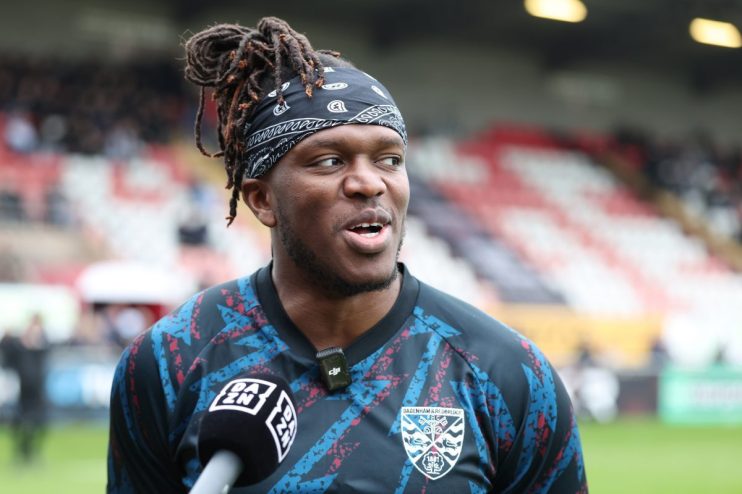
KSI’s move into football club ownership at Dagenham and Redbridge reflects the rise of “passion investors”, writes Stuart Pinnington of investor services firm IQ-EQ.
Last week, YouTuber-turned-influencer KSI announced he had acquired a minority stake in non-league side Dagenham and Redbridge. Known to many football fans for his “Race to Division 1” Fifa video game content, in which he tried to take his team to the top of the game, he is now attempting a real-life version of the same challenge.
KSI’s move has captured plenty of attention but also reflects a broader shift taking place in sports ownership. A new generation of “passion investors” is entering the market, drawn by football’s cultural reach and global brand power.
Ryan Reynolds and Rob Mac’s investment in Wrexham is the most famous recent example. Their takeover of the Welsh football club has become a global media story, with the Hollywood actors now regulars at the Racecourse Ground.
Football clubs are increasingly being viewed not simply as trophy assets but as global consumer brands. For investors, the appeal goes well beyond the pitch: European football offers access to vast international audiences and multiple revenue streams, from broadcast rights and sponsorship deals to merchandise and digital media.
This appeal gets even bigger if you’re able to secure promotion like Reynolds and Mac have at Wrexham, transforming the commercial outlook of a club in a matter of seasons. While not an official valuation, a potential 135x return on their initial investment is a fantastic result in any asset class.
Sports ownership, however, is rarely as straightforward as it may appear from the stands. Football clubs derive much of their value from intangible assets such as brand loyalty, player talent and media rights contracts. These factors are difficult to measure using traditional valuation methods and can fluctuate dramatically with a team’s performance.
Financial due diligence can also be complex. Clubs may carry hidden liabilities linked to deferred player compensation, transfer obligations, or stadium maintenance costs. Operating expenses remain high, particularly when it comes to wages and infrastructure. Even if a team can climb the leagues and increase the club’s value, profitability is very challenging.
There are regulatory hurdles too. Football operates within a tightly governed framework involving bodies such as Fifa, Uefa and the FA, alongside league-specific ownership tests and financial regulations. Investors must navigate these requirements from the outset and understand how governance rules can affect long-term strategy.
For celebrity investors in particular, the emotional dynamics of football add another layer of risk. Clubs are deeply embedded in their communities, and decisions are judged not just on financial merit but on how they affect supporters and local identity.
Wrexham shows passion and profit can coexist
Success can deliver enormous goodwill, but poor results or missteps can quickly backfire. A handful of defeats can shift an owner’s reputation from financial saviour to out-of-touch outsider. There have been several examples of this in the Premier League over recent years.
KSI coined the term “sweaty goal” for a laborious trick that produces an easy finish in the Fifa games. In the real world of football ownership there are few such tap-ins, however. Passion may open the door, but successfully investing in sport requires rigorous due diligence, specialist expertise, and a clear understanding of the industry’s unique financial dynamics.
That said, passion, profit and a positive impact on local communities can coexist. Reynolds and Mac’s transformation of Wrexham from a small-town team to a global household name, while keeping its supporters at the centre, proves it.
Stuart Pinnington is Global Head of Asset Owners at investor services firm IQ-EQ.
#KSI #Dagenham #Redbridge #rise #passion #investor #sport