
| Updated:
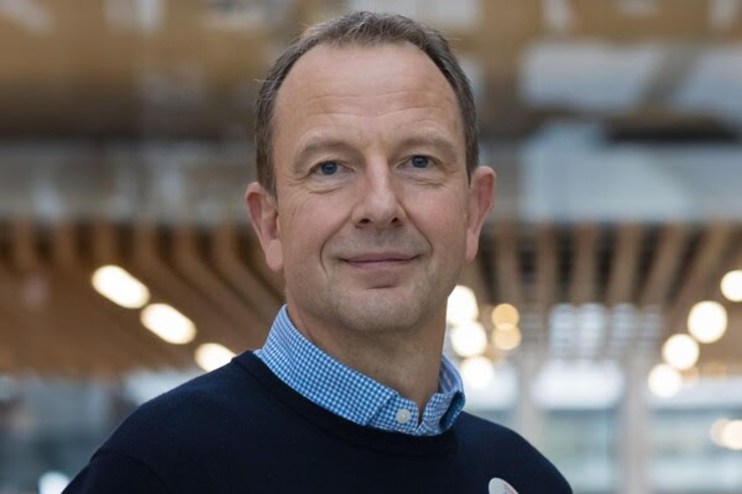
Labour must honour its manifesto promise to fundamentally reform the business rates system, John Lewis boss Jason Tarry has said.
The retail chairman said the changes at last year’s Budget were positive for retail but offered a “short-term” fix to a system which unfairly disadvantages physical retailers as opposed to online shops.
Chancellor Rachel Reeves claimed her changes to the business rates levy in November would lower the impact on retailers but thousands of small leisure and hospitality firms were left with higher bills, hastening calls for root-and-branch reform of the tax.
The John Lewis Partnership, which also owns premium supermarket Waitrose, posted growing profit and reinstated its staff bonus in its financial results on Thursday, but warned that “headwinds” posed by national insurance and packaging taxes restricted growth.
‘Disproportionate’ growth in business rate bills
Speaking alongside the results, Tarry told reporters he is keen to see evidence of the government’s promise to rethink the business rates system, which uses property value to determine the bill charged to companies.
The John Lewis boss said Reeves’ changes to the levy in November – which included “permanently” lower tax rates for some retailers – were positive but not drastic enough.
Tarry said: “That was welcome, but of course we still look forward to the government’s business rates reform as part of the manifesto pledge.
“After employment costs, it’s the second biggest cost in any retailer’s P&L and over the years the growth in business rates has been disproportionate.”
Physical retailers suffer from an “imbalance” in the system which hits them with far higher taxes than online shops, Tarry said.
He said: “It’s great that the government listened to the challenge of business rates multiplier and did what it did, but that fundamental review – which is a manifesto pledge – is still something that we’re really interested in hearing about.”
Retailers have recently raised concerns over record levels of youth unemployment, but warned rising employment costs risk wiping out the flexible roles that young people often rely on.
Tarry said he is “worried” about the number of young people out of work, education and training – which is nearing 1m – “from a social perspective”.
“We do everything we can to ensure that we do our bit,” he said.
Iran war poses new challenges ‘daily’
The war in Iran and resulting blockage of the Strait of Hormuz – a crucial shipping pathway – has led retailers and food importers to warn prices could be pushed up.
But executives at John Lewis sought to reassure consumers prices are not at immediate risk of going up, because the firm has a flexibility around imports and a “strong hedging position” on energy and utilities. Companies often buy energy on a fixed term for a certain window, to avoid shouldering an acute spike in price.
Tom Deynard, managing director at Waitrose, said the premium supermarket will ensure it maintains “outstanding taste […] at the most affordable prices,” regardless of “whatever we see in the market going forwards”.
Andy Mounsey, chief financial officer, said: “We’re not seeing any direct exposure on the business at the moment but as everyone knows this is a moving thing and is continuing to create new challenges on a daily basis.“
A HM Treasury spokesperson said: “We have the right economic plan – we’re reforming business rates to back the high street with a £4.3bn support package to limit bills rises, alongside capping Corporation Tax at 25%, cutting red tape and taking action on the cost of living to boost high streets.
“We’re also cutting business rates by 5p for high street businesses, funded by higher bills for the top 1% most expensive properties – meaning many big online warehouses now pay a 33% higher rate than small high street premises.”
#Labour #pledge #reform #business #rates