
| Updated:
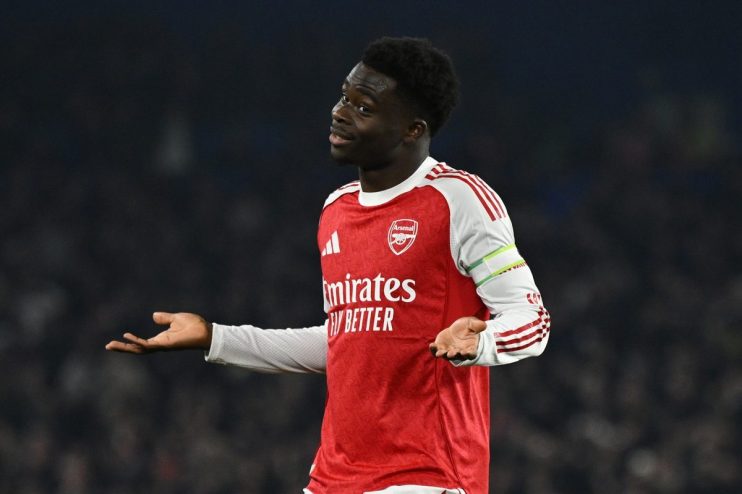
If Arsenal lift the Premier League trophy this season, it won’t just be a victory on the pitch; the club could also win the race to redefine how fans engage with football online.
Arsenal are building a quiet revolution, investing in digital platforms that house ticketing, merchandise and original content to pull fans deeper into the club’s world. But as football culture migrates ever faster into social spaces, the next frontier isn’t just owned platforms, it’s where conversation already lives.
Community has always been at the heart of football, but fan behaviour has moved online. Data from Snapchat shows that 67 per cent of users bond with friends and family through sport, while 57 per cent use the platform during live games – proof that, for many fans, the second screen is now as important as the first.
Modern football fandom is culture-crazy and digital-mad, and Arsenal are among the first to embrace this shift.
Arsenal culture first, and club second
For younger supporters, matchday starts long before the game begins, with football discourse and fandom thriving beyond the stadium. Today’s clubs are more than just football teams, they’re cultural brands, shaping fashion, music and community.
Fans share predictions, football kit choices and debate line-ups in group chats and social feeds. Rival supporters trade jokes about wins and losses, sending messages mid-game. Kick-off is no longer the starting point, simply the moment the conversation peaks. And it doesn’t stop at the final whistle.
Arsenal’s leadership has been explicit about this shift, reframing the club’s mission around building a “winning team, culture and community”, recognising that modern football clubs are not just teams but cultural brands shaped alongside their supporters.
The future of football lies in these owned club platforms, of course, but clubs need to tap into digital platforms at wide to be part of the new football fan experience. Heated exchanges around London derbies show the power of these online conversations. Earlier this season, Arsenal fans unveiled a giant Sol Campbell tifo that quickly sparked thousands of memes and reactions online.
But more than that, Arsenal have embedded themselves at the intersection of pop culture and play. From their Adidas partnership, designing kits that pay homage to Arsenal’s heritage while appealing to global streetwear trends, to launching clothing collaborations, creative merchandise, and cultural campaigns inspired by music, art, and youth culture, the club has positioned itself as a cultural pillar.
Arsenal opportunity
The opportunity extends beyond players alone: 62 per cent of Snapchat users say they like when brands partner with sports content creators, opening new ways for clubs like Arsenal to collaborate through their own digital ecosystems.
And this cultural evolution extends even further. Think about the new era of the WAG. No longer confined to the sidelines, partners of players are increasingly powerful cultural vehicles within the sporting ecosystem.
Figures like Bukayo Saka’s girlfriend, Tolami Benson, have built their own identities across fashion, beauty and lifestyle, engaging audiences that sit both inside and outside traditional football fandom.
They represent a bridge between sport and culture, activating communities that may not initially come for football, but stay for the wider cultural narrative.
In this new landscape, Arsenal have understood that they aren’t just competing for trophies, they’re competing for relevance.
Clubs and brands need to catch up
This shift presents an opportunity for other sports organisations and sponsors.
Traditional campaigns like shirt launches, stadium branding and matchday activations no longer capture the full fan experience. While Arsenal’s Emirates shirt sponsorship remains iconic, today’s fan engagement is constant and fluid.
And as the countdown to the 2026 World Cup begins, clubs are increasingly thinking about how to engage with fans far beyond their local stadiums, driven by online conversations that move faster than any campaign calendar.
Clubs like Arsenal play a key role in building those communities year-round, connecting supporters who may never have set foot in North London but still feel part of the club through the content they watch, share and discuss online.
Platforms like Snapchat will play a central role in shaping these moments, helping fans feel part of the action even if they’ve never set foot in a stadium.
This evolution from Arsenal will inevitably see more clubs follow suit. While teams build their own digital ecosystems, the culture of the game is increasingly unfolding across social platforms where fans engage in real time.
It signals a shift away from campaign-led marketing and towards always-on content that keeps supporters connected long after the final whistle.
As football continues its digital evolution, organisations, clubs and brands must recognise a simple truth: the modern stadium isn’t just physical anymore, it’s online.
Kahlen Macaulay is Head of Sports and Media Partnerships at Snapchat.
#Leading #digital #charge #Premier #League