
| Updated:
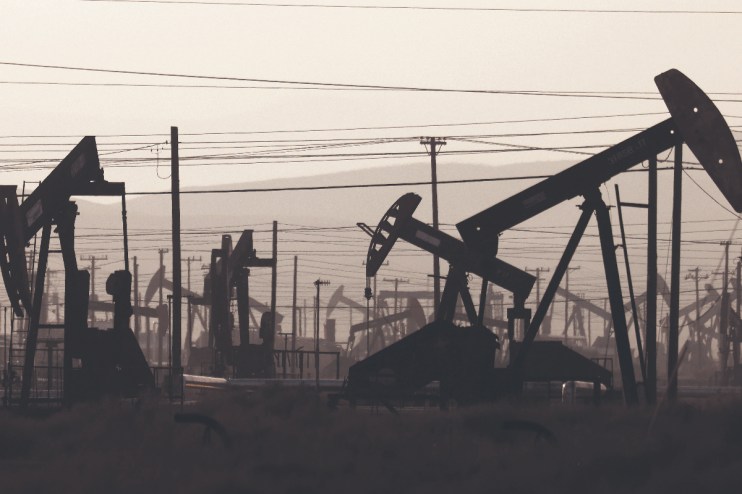
The global energy body has warned the current oil crisis triggered by the war in the Middle East marks the “largest disruption” in history of the commodity’s market.
The International Energy Agency (IEA) made a record intervention in the market on Wednesday, with the release of 400m barrels from the strategic reserves.
But the move has made little difference to the surging price of Brent crude – the international bench mark for oil – which once again eclipsed the $100 mark on Thursday morning on the news two Iraqi tankers had been struck.
Ipek Ozkardeskaya, senior analyst at Swissquote, said: “The math is simple: 400m barrels would only be enough to meet the IEA’s oil demand for roughly 9-10 days.
“After that? The IEA system is estimated to hold around 1.2 billion barrels. It goes fast. Its head, Fatih Birol, said that only the resumption of normal trade through the Strait of Hormuz would help. Well, that’s not on the menu du jour.”
In his first statement since taking the helm, Iran’s new Supreme Leader Mojtaba Khamenei has vowed to continue blocking the Strait of Hormuz, the vital narrow waterway in which a fifth of the world’s oil supply flows through.
Khamenei said the regime would also “avenge the blood” of those killed in US and Israeli attacks.
The IEA has said the current crisis has caused the “largest disruption to crude supplies in the history of the global oil market”.
Joshua Mahony, chief market analyst at Scope Markets, said: “With Iran seemingly ramping up attacks on both land and waterborne energy targets, the fallout for global energy supplies does appear to be worsening by the day.”
Long-lasting oil crisis could ’tilt’ the UK into recession
Major economies could be left reeling from the consequences of a potential oil supply crisis.
Analysts at the RBC Capital Markets have warned that a long-lasting war could “tilt” the UK economy into an “outright recession” given the state of the country’s vulnerable jobs market.
“Labour markets are in a substantially weaker position now than was the case in 2022 and there must also be a non-trivial possibility that firms will not be able to pass on prices fully and have to take margin cuts instead.
“The UK is already, arguably, on this path as firms’ response to the ‘input price shock’ of higher employer social security contributions announced at the Budget in 2024 has been to substantially scale back hiring.
If that were to be the global pass-through of the impending energy crisis, the slow-down might not be as jobs-rich as was the case in 2022 and central banks might find themselves in a more difficult trade-off between higher energy price inflation and a (much) weaker economic backdrop than hitherto expected. “
The comments follow warnings by Oxford Economics researchers that, if the price of oil were to hover around $140 per barrel, interest rates would be raised and the UK economy would contract.
The Bank of England’s next meeting is now highly anticipated to feature comments from Monetary Policy Committee members on the impact of the conflict.
The last meeting featured the Bank’s governor Andrew Bailey describing improved inflation forecasts as “good news”.
#Oil #faces #largest #disruption #history #market #IEA #warns