
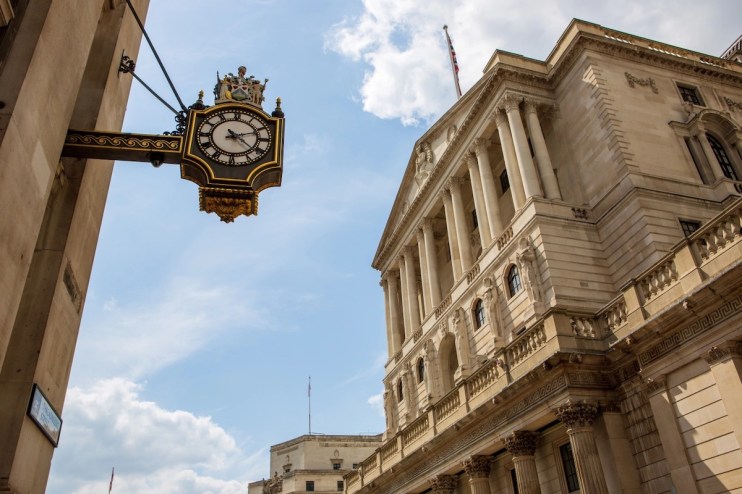
Policymakers at the Bank of England will set a ‘high bar’ for making any interest rate change later this month despite growing expectations of rising inflation, top City analyst Simon French has said.
The previous energy shock suffered by the UK following the Russian invasion of Ukraine in 2022 saw inflation spike to as high as 11 per cent. Following the outbreak of war in Iran and the closure of the Strait of Hormuz earlier this year, oil prices have rocketed, with the latest polling of market expectations from YouGov/Citi showing analysts believe inflation could rise to as high as 5.4 per cent this year.
But Panmure chief economist French warned against assuming that the same pattern of 2022’s shock would repeat itself in 2026.
“Already scarred by the 2022 experience it is possible that economic agents quickly decouple price expectations having ‘seen this movie before’”, French said.
“We would caution however that the shock of fast-moving events must call into question the ability of respondents to accurately process what is to come.
“Amidst the current flux we believe the [Bank of England] will, later this month, set a relatively high bar for a UK interest rate policy move in either direction.”
Tighter government spending and softer demand could dampen energy blow
French said he expects rate-setters at the Bank of England’s Monetary Policy Committee (MPC) to hold interest rates when they meet on 30 April.
He suggested that UK inflation would peak at between 3.5 per cent and 4 per cent later this year, well below the expectations of some other City analysts, citing higher unemployment and the “welcome development” of the government’s more prudent approach in offering energy price support compared to 2022.
“Memories of a UK inflation peak of 11 per cent on a similar energy price shock in 2022 is fresh in investors’ memories, however a softer demand backdrop, more restrictive monetary policy, and the welcome resilience of Sterling should ensure a lower peak,” French said.
“Whether the MPC can return to an easing bias in 2027 will hinge, in large part, on whether the government can ‘hold the line’ on energy bailouts and public sector pay.
“The post-local election politics of the Labour party will be a big factor in whether they can.”
#Bank #England #set #high #bar #interest #rate #change