
| Updated:
As they say, if you love what you do, you will never work a day in your life.
With the popularity of sports ever-growing, it is no surprise that lawyers are flooding into legal work involving sports. Even the driest M&A deal can be a little more exciting when it involves deals for your favourite (or most hated) football team.
In the past, specialised sports legal boutiques handled sports matters; now, most of the major law firms across the City have special practice groups or notable partners involved in this work.
That is down to the sports sector becoming progressively more global, and with more money being spent. The legality of the work has also become more sophisticated.
With regulation, intellectual property, digital rights, and compliance all on the agenda, Big Law never misses a trick when targeting a wealthy industry with plenty of work.
And the launch of the Independent Football Regulator will raise a plethora of issues for English clubs. The new regulator has been tasked with overseeing their financial sustainability and governance.
But it is not just transfers and commercial contracts – some clubs have had to send expensive lawyers to represent them in a dispute court. Manchester City was in front of the London International Dispute Resolution Centre last year as it sought to challenge the 115 charges brought against it by the Premier League. The judgment in this case has yet to be handed down.
Like other practice groups, such as finance, there are now more opportunities for lawyers who want to experience a full circle of sports law work.
Although it took a while to get the senior position filled due to the salary on offer – just £130,000 – David Riley was hired as the head of legal for the Independent Football Regulator, joining from the Competition and Markets Authority (CMA) to build the legal department and oversee statutory compliance.
His team, including deputy director for legal Simon Constantine, also from the CMA, oversees the development of the licensing and enforcement framework.
Wrexham launches paralegal internships
It’s not just the regulator building out its in-house legal team.
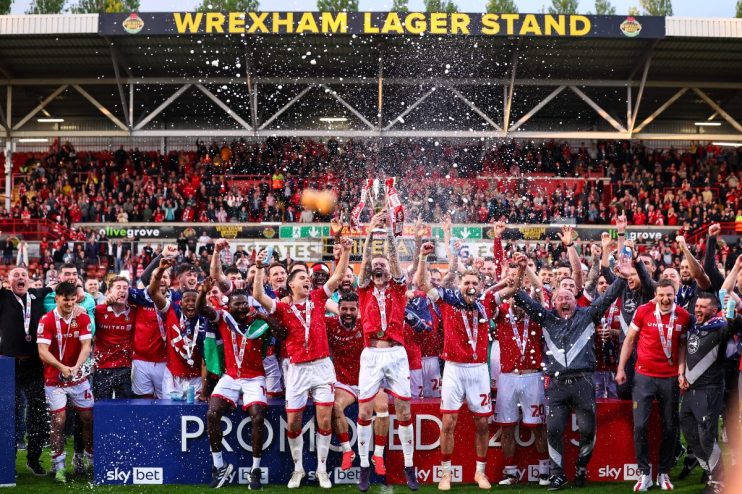
Wrexham AFC, known for its Hollywood owners, actors Ryan Reynolds and Rob McElhenney, announced this week that it is launching a number of internships, including a paralegal internship.
Imani-Diane Esmaail, the club’s head of legal services, posted on LinkedIn that she remembered how competitive it was to find a role in sports law.
She explained that the paralegal role is “an exciting opportunity for students/post-graduates to get hands-on experience of working in-house in a football club.”
Sectors relevant to lawyers, such as banking and insurance, have invested heavily over the years in expanding their in-house legal resources.
“With high-profile sanctions being imposed and the new Independent Football Regulator in the mix, it is no surprise that football clubs are strengthening their in-house legal teams to deal with the increasing scrutiny of their operations,” explained Alex Thompson, senior account manager at Maltin PR.
Yasin Patel, barrister at Church Court Chambers, added: “It is therefore paramount that clubs take on legal expertise to advise them on issues that arise – they will either need deep pockets to instruct expensive solicitors and barristers, or they can grow in-house legal teams that deal with legal arguments at a fraction of the cost, and leave more complicated legal issues to external counsel.”
As football continues to attract greater scrutiny, bigger money, and more complex legal disputes, the demand for specialist legal expertise, both in-house and at law firms, shows no sign of slowing.
And for lawyers who love the game, they have an open goal should they choose to take their shot.
Eyes on the Law is a weekly column by Maria Ward-Brennan focused on the legal sector.
#Football #clubs #starting #build #legal #benches