
Inflation is expected to jump to 3.3 per cent as the first effects of the war in Iran will be recorded in a new set of data.
The Office for National Statistics (ONS) is expected to reveal that inflation inched up in the year to March due to soaring fuel prices and tremors across financial markets.
Economists polled by Bloomberg predicted that the consumer price index (CPI) inflation print would come in at 3.3 per cent, compared to three per cent for February.
The acceleration in price growth could dampen hopes of improved stability, posing a challenge to both the government and the Bank of England over the coming months.
City economists have suggested that the main drivers of inflation in March include a jump in airfares and a sharp spike in heating oil prices, which are used by households in rural areas and are closely linked to changes in financial markets.
Over the course of March, UK natural gas prices rose by as much as 50 per cent while the Brent crude oil price surged past $100 per barrel. Oil prices are now at around $95 per barrel as the terms of a ceasefire between the US and Iran are on shaky ground.
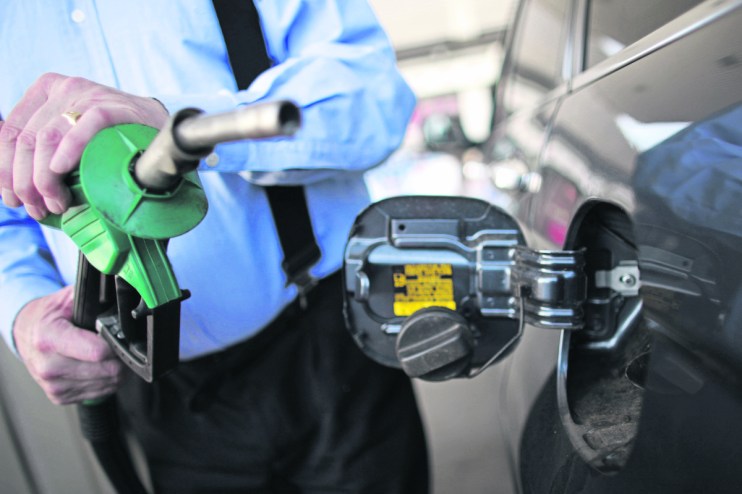
Goldman Sachs analyst James Moberly said a rise in consumer energy prices on the month could add as much as 0.4 percentage points to inflation, with petrol prices expected to jump by around 6.5 per cent in March.
Diesel prices are estimated to have risen by more than 12 per cent while household energy bills could also rise.
“First, households on new fixed rate electricity and gas contracts will have experienced a price increase,” Moberly said.
“That said, the CPI fixed electricity and gas tariff items are measured as twelve-month averages, substantially reducing the immediate impact on CPI.
“Second, heating oil prices nearly doubled at the start of the conflict. This should be reflected in the liquid fuels component within household energy bills. Although this component represents only a very small share of the CPI basket, the scale of the increase in heating oil prices suggests that it could contribute 8 basis points to month-on-month headline inflation.”
Inflation headache for Bank of England
Barclays chief UK economist Jack Meaning said that a “greater than previously expected” rise in airfares would also push up on price growth.
The bank estimated that inflation could rise by as much as 14 per cent on the month, “riven higher than seasonal averages for March in part due to the timing of return flights around Easter travel”.
Mortgage interest payments are also expected to rise over the month by 0.2 per cent while rent is expected to have crept up by 0.4 per cent, making up a rise of 3.6 per cent over the year.
Services inflation, a measure that is closely monitored by rate-setters at the Bank of England, is expected to be higher than previous forecasts at 4.4 per cent.
Fresh inflation data will come a day after the ONS publishes numbers on the UK labour market, which could give the Monetary Policy Committee some context on whether higher wage growth could fuel a leap in prices over the next year.
#Inflation #jump #due #Iran #war