
| Updated:
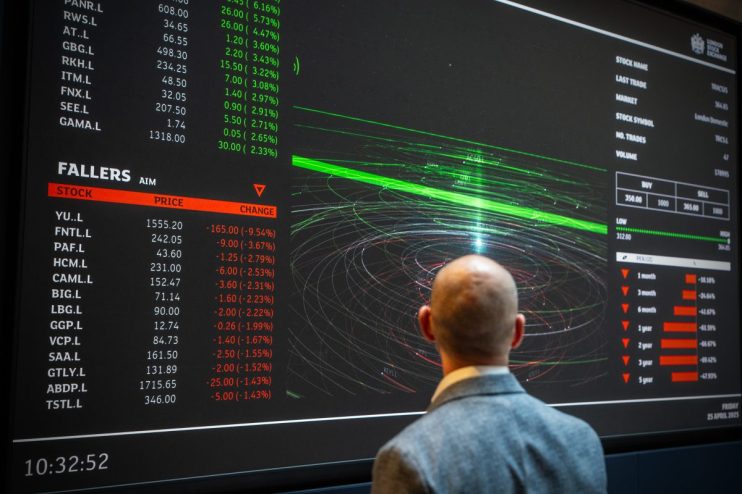
The Middle Eastern conflict has triggered the worst bout of equity market outflows in months as investors retreated from stocks over fears of soaring inflation and fuel shortages.
Equity fund outflows jumped to £1.4bn in March, a jump of 55.3 per cent compared to February, marking March as the worst month since November 2025, when Autumn Budget speculation and concerns drove significant selloffs.
March’s outflows were the seventh worst on record and also extended the run of outflows to an unprecedented 10 straight months, according to the latest research from Calastone.
Equity fund sectors saw selloffs across the board, bar North America, with the largest deterioration in investor optimism reported in Europe and the Asia-Pacific region.
UK equities drop
UK equity funds saw the largest selloffs with outflows of £592m, up from £555m the prior month.
Global funds also suffered net selling, but outflows shrunk to £205m, less than half February’s level.
In contrast, North American investors held onto their equities, with the region being the only one to post inflows.
Meanwhile, turmoil in the bond markets meant fixed income funds failed to benefit from the rush of investors exiting equity funds.
Investors withdrew £535m of capital from bond funds globally, reversing February’s inflows, as global yields rocketed off the back of oil-shock inflation fears, as the Strait of Hormuz closure, which has now reopened, ground the oil trade to a halt and choked supply.
March also marked the worst month for fixed income funds since April 2025, when Donald Trump announced his so-called reciprocal tariffs, and was the seventh worst on record, while safe-haven money funds saw inflows rise to £228m.
Mixed asset funds continued to see inflows.
Edward Glyn, head of global markets at Calastone, said: “Financial markets do not simply set prices, they are probability engines weighing the likelihood of future events.
“This helps explain why market movements, though large, have been relatively modest given the potential extent of the damage the oil crisis could have on the world economy.
“It also helps explain why outflows are not larger. Certainly, some fund investors are not waiting around to see what happens. They are voting with their feet and pulling capital out of risk assets in favour of cash.”
But Glyn noted the “overall sentiment is not one of panic” as UK outflows were well below Budget-speculation levels as the effect of the conflict remains “unknown and most investors do not need immediate liquidity”.
He said: “Although there are notable outflows at the margin, most are content to stay invested knowing that most crises look like blips through a long-term lens.”
Property funds take a hit
Property fund outflows also took a knock, jumping to £44m in March, more than double February’s outflows of £20m.
Calastone credited the outflows to a “clear desire” to withdraw cash that was already invested, with sell orders rising by £21m to £152m, rather than subdued sentiment towards new buying, as orders fell just £3m to £108m.
The increase in outflows also copies activities seen in both equities and bond markets.
#Iran #conflict #sparks #worst #month #outflows #Autumn #Budget