
| Updated:
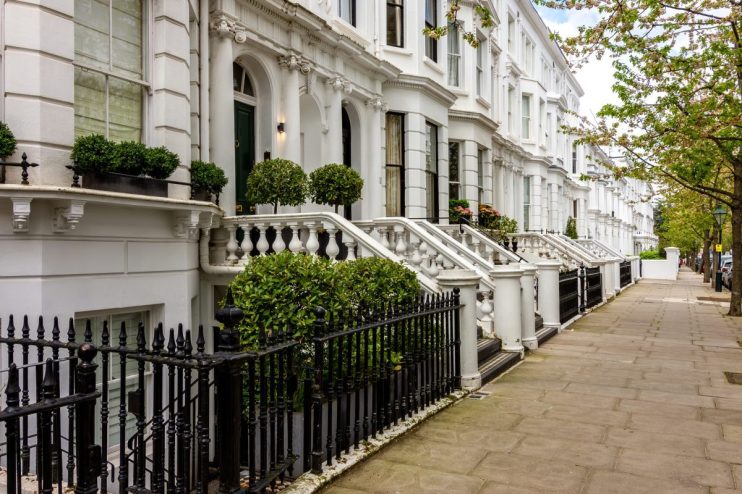
The wait for a London house sale is six days longer now than last year, as the capital sees the “greatest impact” from the stamp duty and the Iran war’s hits to property confidence.
The average time it takes for a house in the capital to be snapped up once it is listed on the market has grown to 41 days, eight days longer than the 33-day national average, according to Zoopla’s house price index.
This UK-wide average wait is just one day longer than the same time last year, though London sellers are being left hanging for more than a week more.
London’s property market continues to be disproportionately hit by the inflation fears caused by the Iran war, as buyers stall for a more favourable mortgage market.
Nathan Emerson, chief executive of estate agent trade body Propertymark, said agents in London are seeing “hesitation creep in as affordability pressures bite”.
London sellers wait far longer
Lenders have taken low-rate mortgage deals off of the market since the Middle East conflict broke out, as the market braces for potentially multiple Bank of England interest rate hikes this year.
House prices in the capital have fallen while the national market strengthens slightly, which property experts say is because London’s housing market is more exposed to tax policy like stamp duty and the end to the non-dom regime.
While, in the rest of the country, households who need to move are managing to find buyers, prospective homeowners in London and the South East are more affected by higher mortgage rates, Zoopla said.
The South East is the area with the second-longest selling wait – 39 days – just behind the East of England’s 38 days.
Stamp duty weighs on London buyers
Zoopla said four in five first-time buyers in London end up paying stamp duty, while only one in 10 pay the tax elsewhere.
Stamp duty makes up three per cent of a house’s purchase price in London, on average, while the tax accounts for just one per cent of the fee in the rest of the country.
Property experts Knight Frank warned the worst effects of the Iran war on the property market are yet to materialise.
Tom Bill, the estate agency’s head of residential research, said: “The impact of the Middle East conflict on the UK housing market has not yet fully materialised.
“The disappearance of sub four per cent mortgages, a looming inflationary hump caused by higher energy costs and a government reportedly considering responses like rent controls mean the impact will linger for much of this year.”
#Londoners #wait #longer #sell #homes #stamp #duty #hits #confidence