
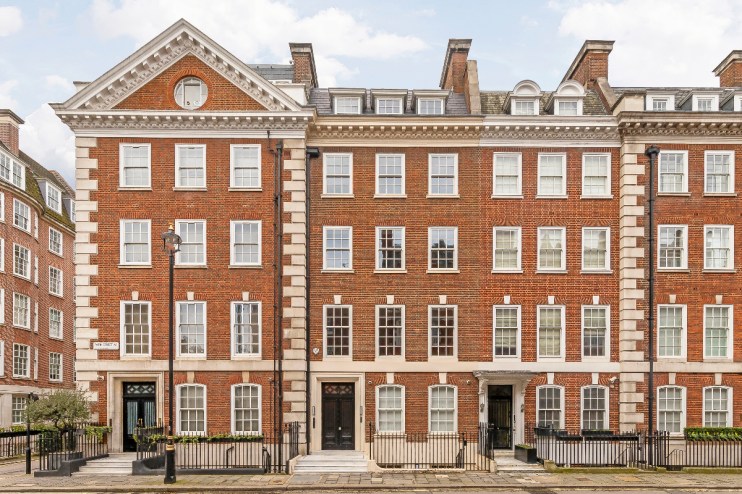
The mansion tax is expected to hit 165,000 homeowners in its first year, more than the 120,000 that was previously thought.
The levy will hit 45,000 more properties than had been initially forecast, according to the fiscal watchdog, and thousands could successfully appeal the tax.
The mansion tax, introduced at last year’s Budget, will not come into effect until April 2028 but estate agents said homeowners are already pushing sale values below the “mansion” threshold to dodge the levy.
The levy means Brits who own houses worth more than £2m will have to pay a surcharge of as much as £7,500 on top of their council tax.
Nearly half of mansion tax appeals will succeed
The surcharge will apply across four bands, starting at £2,500 for properties valued between £2m and £2.5m and rising to £7,500 for homes worth more than £5m.
The Office for Budget Responsibility (OBR) has said 165,000 properties will be charged the mansion tax in its first year, though this number could change if homeowners take measures to avoid the threshold before it comes into force.
The majority of these Brits – 71,000 – will be charged the lowest rate in the first year of the tax, while 15,000 will face a £7,500 surcharge.
Initial estimates had suggested 120,000 homeowners would be affected.
As many as 20 per cent of households charged the mansion tax are expected to appeal it, the OBR said.
Around 40 per cent of these appeals will be successful, the fiscal watchdog said, meaning more than 13,000 households could manage to avoid the tax.
Homeowners could limit values to avoid tax
As the tax nears implementation, people may begin selling their homes just below the £2m figure to avoid the levy, the report said, meaning the number of homes affected could be 9,000 lower.
The OBR also said other behavioural impacts of the tax include housebuilders potentially delivering fewer high-value newbuilds as a result of the tax.
The government will make £400m from the policy in 2028-29, rising to £435m by 2030-31.
The mansion tax is expected to disproportionately affect homeowners in London and the South East, where house prices are higher than in the rest of the country.
Three London boroughs – Kensington and Chelsea, Westminster and Camden – could account for nearly one in four of all homes affected by the tax, according to the Institute for Fiscal Studies.
#Mansion #tax #hit #homeowners