
| Updated:
Owning live rights is no longer the only way for streaming platforms like Netflix to capture sports audiences, writes Chris Keenan.
Could there be a way to engage sports audiences without the billions spent on traditional broadcast rights?
It’s this thinking that appears to be shaping Netflix’s latest moves. Over the past year, the streaming giant has been quietly building what could be described as a “sports layer” across its platform. Not through traditional rights deals, but through personality-led programming and selected live events.
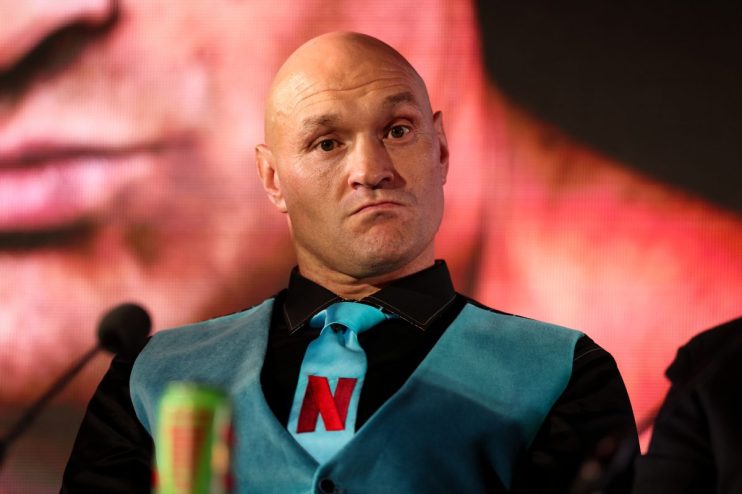
Recent moves include expanding into sports video podcasts such as Gary Lineker’s Goalhanger network and Bill Simmons’ The Ringer shows, alongside one-off live spectacles like Tyson Fury’s upcoming comeback fight.
But it isn’t just Netflix. Across streaming, a broader model is taking shape, which uses personalities, creator formats and live moments to capture sports attention in ways that are more flexible than owning the rights themselves.
For brands and advertisers, the implications are significant.As sports personalities, video podcasts and live events expand, they create new streams of advertising inventory that can increasingly be activated programmatically.
That matters because programmatic is what turns fragmented sports attention into something scalable. It allows brands to identify audiences, sequence messages across channels and activate against behaviour rather than relying on a single broadcast slot.
A brand can reach a viewer on connected TV, reinforce that message through digital out-of-home near stadiums, and continue via podcasts and mobile placements, mirroring the way sports attention now moves across screens.
A cheaper way to buy attention
Live sports rights have become some of the most expensive assets in global media. Video podcasts and personality-driven sports formats cost far less than premium scripted content while still delivering recurring attention.
Disney+ has launched Vibe Check, a sports studio show, while YouTube has used Brandcast to position major sporting moments as cultural events built for sponsorship. At the Winter Olympics it used creators to extend audience attention beyond the broadcast itself.
Defending the living room
Podcasts increasingly live on-screen. Smart TVs have become a key channel for creator content, and the growth of YouTube in that space is impossible to ignore.
That makes sports content a way to defend viewing time, sustain relevance and keep audiences inside the platform environment between major live events.
Personality-led programming helps drive engagement between tentpole moments without needing to own every fixture.
The ad-tier growth engine
As more streaming platforms look to grow advertising revenue, they need scalable, brand-safe inventory that runs consistently as well as their blockbuster releases.
Recurring sports formats provide exactly that. Personality-led shows enable contextual advertising and brand integrations that feel more natural than traditional ad breaks.
Programmatic makes this inventory easier to buy, measure and optimise across channels. It gives brands a practical way to connect sports audiences across streaming, audio, mobile and out-of-home without depending on a single rights holder.
Why live events still matter
While personality-driven content provides frequency, live sport offers collective attention.
Major events create cultural moments that fragmented media struggles to replicate. One-off fights or special broadcasts allow platforms to capture that spike in attention without committing to long-term rights packages.
For marketers, these moments extend opportunities beyond standard ad placements. Brands can appear through integrations, sponsorships and contextual presence around the event itself.
The result is cultural scale without the financial exposure of owning a full sports league.
The emergence of a sports middle tier
These developments point to a new middle tier in sports media. At one end sit the billion-pound rights deals. At the other sits creator-led social content.
Between them is a growing layer of personality-led programming, creator access and selected live moments. It delivers regular engagement, then adds spikes of attention when the right event comes along.
For marketers and agencies, this hybrid model could reshape how sports audiences are reached.
Winning the attention economy
Owning sports rights is no longer the only way for streaming platforms to capture sports audiences.
For marketers, that creates a new opportunity. Brands can build connected campaigns that extend across streaming, podcasts, DOOH and mobile.
The agency market is already starting to reflect that change across the globe. In the last year, we’ve seen WPP launch WPP Media Sports, Dentsu expand its global sports and entertainment offer and Havas acquire a sports marketing agency. Publicis has also strengthened its sports offering through the acquisition of Adopt, while Stagwell converted its Sports Beach arm into a standalone business unit and Omnicom pushed further into live sports activation through its Disney partnership.
Sport is no longer being treated only as a rights play or a sponsorship vehicle. It is being established in the wider media mix as a channel that can deliver value across formats and throughout the year.
The platforms that win will be the ones that build a flexible sports ecosystem around personalities, creator content and selective live events, ushering in scalable environments where brands can reach sports audiences again and again.
Chris Keenan is head of agency development at StackAdapt.
#Sports #content #fuelling #wave #adfunded #streaming