
| Updated:
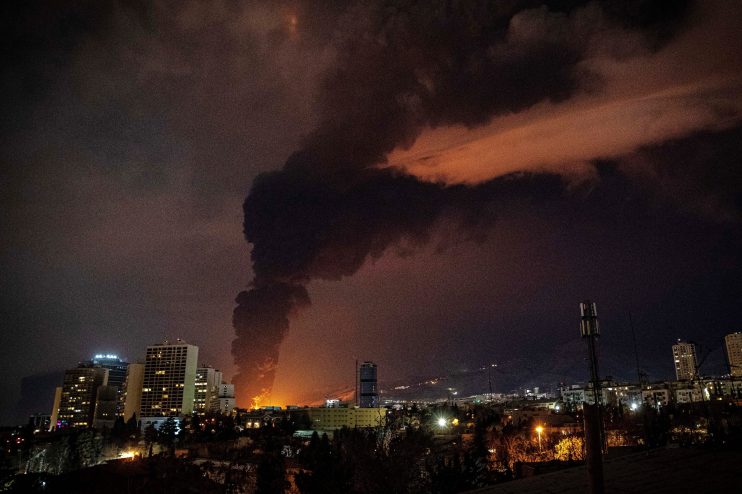
The crisis in the Middle East could plunge the UK into a recession in the worst case scenario where oil prices surge higher over the next two months, analysis has shown.
Oxford Economics research has indicated that a continued surge in oil prices would rattle “parts of the global economy”, with the UK set to be among those which are heavily affected.
The analysis is based on the scenario that the Brent Crude Oil price jumps from its current level of around $97 to $140, and remains at the elevated price until at least May.
The report suggests that global GDP would decline by 0.7 per cent by the end of the year due to the US-Israeli war with Iran while inflation would jump to an average of 5.1 per cent in this scenario.
The inflation rate in the UK would only jump in the second half of the year, due to delays in energy price-setting by Ofgem, while the Bank of England would also be expected to raise interest rates by 25 basis points.
Higher inflation and a rise in borrowing costs would leave the UK in a recession, economists said, though the economic decline would come after the US due to the lag in price rises.
“Justifying this hawkish shift is the fact that once inflation rises above a certain threshold, households and firms tend to pay closer attention to inflation, and that can start to influence inflation expectations,” economists at the consultancy said.
“Consumers’ short-run inflation expectations are driven by routine expenses like gasoline and food, both of which are expected to escalate due to the shock.”
The report suggested a global price rise would be lower than that seen in 2022.
Recession warning hinges on oil price change
Researchers said the better case scenario where oil prices stay at around $100 per barrel would prevent a recession yet knock around 0.2 percentage points off global growth.
“The strength of the subsequent recovery will be determined by how quickly shipping through the Strait of Hormuz rebounds and how fast oil prices, supply-chain stresses, and financial market conditions ease,” Oxford Economics chief researchers Ben May and Ryan Sweet said.
“The rebound in financial markets has been quick following past major military conflicts in the Middle East since the 1990s, but this this time it could be more gradual.”
Labour ministers have been tight-lipped on whether the government was preparing to unveil an energy price support package for households across the country.
Chancellor Rachel Reeves said there was “scope” for a support package while Sir Keir Starmer suggested the end of the fuel duty freeze later this year was “under review”.
International Energy Agency members agreed to launch the largest-ever oil release from global reserves to squeeze a price rise while several Gulf countries have reneged on energy supply contracts and slowed production due to the war.
Business chiefs sound warning on impact
An internal UK government assessment warned that oil prices could hit $130 per barrel by mid-April should the war continue, according to Bloomberg.
President Trump has attempted to calm market tensions by claiming the US was running out of targets to hit in Iran, though oil prices jumped again on Thursday on fears that the Strait of Hormuz was not close to opening up.
Business chiefs are now raising the alarm across the UK, with more than half of directors polled by an accountancy lobby group warning they were “exposed” to the conflict.
“Our data shows that rising energy costs and supply chain disruption are the biggest threats to businesses right now as the conflict in the Middle East continues to escalate,” Alan Vallance, the chief executive of The Institute of Chartered Accountants in England and Wales, said.
“Surging gas prices and interruptions to major energy infrastructure, such as the Strait of Hormuz, means the pressure is only intensifying.
“The findings also highlight the significant interdependence of UK businesses and citizens with the Middle East, and how our economic fate is exposed to instability in the region.”
#Middle #East #war #plunge #recession