
| Updated:
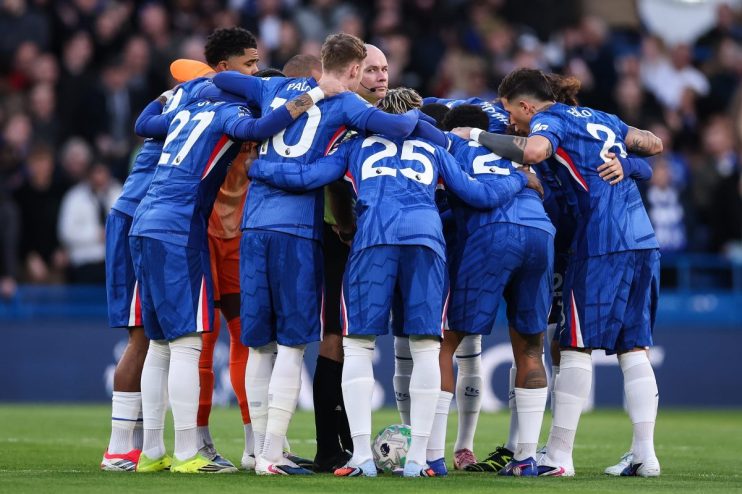
English football is a global entertainment and cultural powerhouse, contributing more than £9bn annually to the UK economy. Matches are broadcast to hundreds of millions worldwide, with clubs operating not just as teams but as global brands.
But with that status comes increased scrutiny of how clubs are run.
Under the new Independent Football Regulator (IFR), clubs face increased pressure on ownership and financial resilience to ensure they can withstand “major financial shocks”. Its recently confirmed licensing regime is designed to “raise standards across financial regulation, corporate governance and fan engagement”, placing this issue at the centre of club assessment.
The IFR will have “three very strong powers to intervene”, as CEO Richard Monks stated this week. Clubs deemed “high-risk” may be required to inject funds, reduce debt or cut costs, with non-compliance putting their licence at risk. Oversight will also extend beyond balance sheets to ownership credibility and funding reliability, under a more rigorous ‘fit and proper’ ownership test.
This interventionist approach reflects why the regulator was introduced.
State of the game
Established in late 2025, the IFR aims to protect the financial sustainability of English football and the communities clubs serve. This follows years of concern, from the collapse of Bury FC to the failed European Super League, both of which exposed serious governance failings. The European Super League in particular triggered widespread backlash, with fans rallying under “fans before finance” banners as politicians questioned existing oversight.
This oversight is taking shape in the IFR’s forthcoming State of the Game report, a pivotal moment for how the game will be regulated, which will define the standards for the new licensing regime and clarify how they interact with domestic and Uefa rules. The IFR has indicated it will also underpin how regulation is applied in practice, setting the thresholds clubs must meet and how compliance is assessed.
Recent cases illustrate how such scrutiny is intensifying. Leicester City, Everton and Nottingham Forest have all faced charges for financial rule breaches, with points deductions and investigations now part of the landscape. Chelsea’s latest fine also reinforces that governance risks do not disappear with ownership change, but can resurface years later under renewed regulatory scrutiny.
Against this backdrop, even routine commercial decisions can quickly become reputational flashpoints when they collide with supporter sentiment. Recent ticketing disputes have shown how quickly fan backlash can escalate, and under a regulatory framework that explicitly recognises the role of fans and communities, such issues are likely to attract greater scrutiny. With the IFR also making clear that fan engagement will form part of its licensing framework, clubs must meet defined standards in how they consult and involve supporters.
Regulator means Chelsea cannot hide
This shift also has wider commercial implications. In a sector where on-pitch performance dominates headlines, clubs must recognise how quickly off-field narratives can influence valuation, sponsor relationships and supporter trust. Those with strong financial controls, transparent ownership and coherent governance may find this a commercial advantage rather than a liability. Where governance is fragmented, however, the IFR’s approach will give critics and stakeholders a clearer, more authoritative basis to interrogate these issues.
Communications strategy must therefore shift from reactive firefighting to proactive reputation and risk management. This means using IFR benchmarks to evidence financial resilience and governance clarity, not simply managing headlines.
The question is no longer whether clubs will be judged against this new regime, but how prepared they are when the IFR’s assessments begin shaping fan debate and media narratives. Much like league tables track performance on the pitch, the regulator’s framework may soon become a public scorecard for how clubs are run off it.
In that context, governance is no longer just a compliance exercise, but a visible measure of how seriously a club takes its own future.
Alex Thompson is a senior account manager at legal PR Maltin
#Clubs #Chelsea #wont #hide #regulator #scrutiny