
| Updated:
Retail sales fell in February, as low spending in food and household goods stores could not offset the strong performance of online sellers.
The quantity of goods bought in February fell by 0.4 per cent, down from the surprise two per cent rise in January, which was revised up from 1.8 per cent, according to the Office for National Statistics (ONS).
Retailers are bracing for energy and manufacturing costs to rise due to the Iran war, with these pressures adding to fears over the cost of employment.
February’s sales volume is down 0.3 per cent compared to the pre-pandemic level in February 2020.
Food and household goods retailers were among those hardest hit by a weak February for in-person stores, with a drop of 0.7 per cent in food sales and 2.6 per cent in household items.
Cash-strapped Brits target January deals
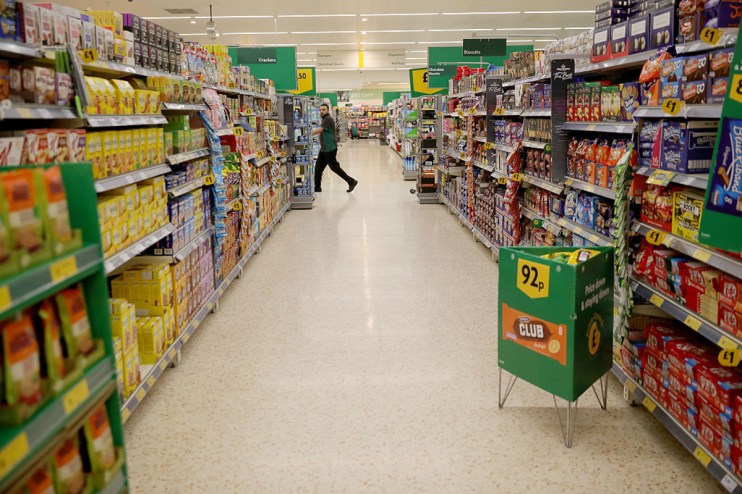
Supermarket sales fell even lower in February than the month before, as consumers concentrated their spending in January to capitalise on start-of-year deals.
The ONS said the fall in supermarket spending was also due to wet weather, with the Met Office recording above average rainfall last month.
Footfall at shopping centres was down by 5.5 per cent in February and visits to high streets fell by 5.4 per cent due to the rainy weather, according to the British Retail Consortium (BRC).
The most popular retail goods over December and January were video games, wine and sports clothing, as total retail sales grew 0.7 per cent in the three months to February.
Hannah Finselbach, senior statistician at the ONS, said: “Retail sales rose in the three months to February, with online shops seeing strong sales and art dealers also faring well.
“These were partially offset by a weak period for clothing stores.”
Retailers face high costs and low demand
Nicholas Found, head of commercial content at Retail Economics, said: “This year is shaping up as a battle for market share against lacklustre economic growth.
“Retailers are facing a tougher operating environment just as demand remains fragile, with rising labour costs, margin pressure and a growing need to invest in productivity and automation.”
The ONS’ previous retail sales tracker revealed a surprise growth of 1.8 per cent to January, as strong performances for tech retailers and art galleries offset a fall in supermarket sales.
Online sales were up 10.8 per cent year on year for the three months to January on average but high-street retailers suffered from heavy rainfall, as they did in February.
Retailers are bracing for the manufacturing and energy cost rises that will likely be caused by the Iran war.
On Thursday, retail giant Next said it has already taken a £15m hit from the conflict and will likely have to put up prices as soon as June.
Some bosses have called on the government for energy bailouts to help them avoid putting up prices for consumers.
Justin Parr, chief credit officer said trade finance provider Treyd, said: “It’s now impossible to ignore the palpable anxiety created by current and incoming headwinds for both consumers and businesses.
“Shoppers know higher interest rates and rising inflation are likely coming down the line and that will affect how they behave from now on. That could well mean people buying fewer bigger-ticket items like furniture and white goods.”
#Retail #sales #fall #Brits #cut #supermarket #spending