
| Updated:
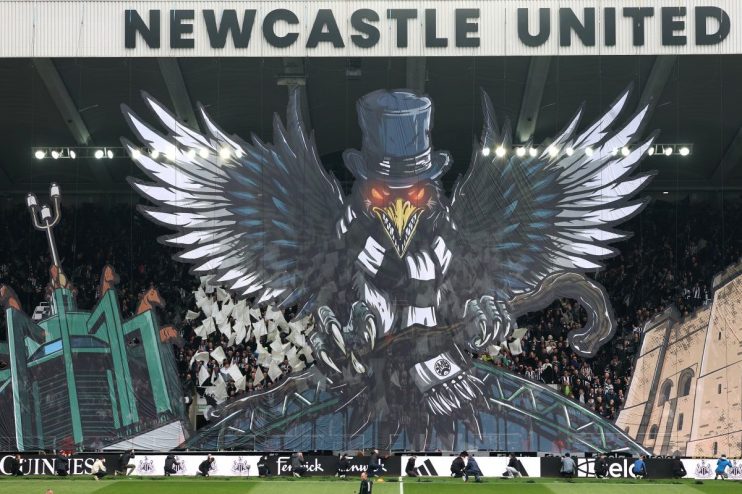
There is a growing sense that elite football is attempting to outmanoeuvre its own reality. Not by solving its structural financial challenges, but by creatively working around them. The recent moves involving Newcastle United and Everton’s stadiums are not clever innovations, but symptoms of a system still unwilling to face the truth.
Newcastle’s move to sell their stadium to a related party within their ownership structure, and Everton’s decision to sell their women’s team to generate accounting gains may sit within the technical boundaries of Profit and Sustainability Rules (PSR), yet they are not examples of sound financial management or competitive advantage. They are accounting devices designed to create headroom rather than stability and can only be done once.
We’ve seen this before. From aggressive capital structuring and asset movements to the sale of future broadcasting rights or lease back of crown-jewel assets, football has a track record of responding to regulation not by changing behaviour, but by finding new ways around it. Even the points deductions handed to Everton and Nottingham Forest have not reset the dial.
In that context, the Premier League’s proposed shift from PSR to a new Squad Cost Ratio (SCR) framework is both necessary and revealing. Necessary, because linking spending more directly to football-related income should, in theory, impose greater discipline. Revealing, because it acknowledges that the current model is being stretched to its limits.
Stadium plans in hot water?
As ever, though, regulation alone will not solve this problem. If anything, the risk is that SCR simply becomes the next system to be optimised by smart accountants and expensive lawyers, with football playing out behind the closed doors of a boardroom or commission, rather than on the field. Another set of thresholds to navigate. Another framework to manage around. Unless the underlying culture changes, the behaviour will persist.
At its core this is a leadership problem. Too many clubs still operate with a short-term mindset which seeks to survive a cycle, qualify for Europe, avoid relegation, and deal with the consequences later – an uncomfortable truth that Tottenham Hotspur are realising. The belief that on-pitch success will fix off-pitch finances remains deeply ingrained. It is a high-stakes gamble and, too often, football behaves like a game of roulette where the solution to a bad spin is simply to bet again. Yet like roulette, the wheel always catches up.
What Newcastle and Everton demonstrate is not ingenuity, in my opinion, but deferral of the truth. Selling core assets internally or divesting strategic parts of the organisation to meet compliance thresholds may buy time, but it erodes long-term coherence. A stadium is not just an accounting line and a women’s team is not a disposable asset. These are critical components of a club’s identity, value and future growth. They represent its very fabric.
Stripping them back for short-term accounting gain sends out the wrong signal, like the battle the Sheffield Wednesday administrators are facing at this very moment: passing the test matters more than building the business. This is where football needs to grow up.
Increasing pressure
The Premier League is under increasing pressure, not just from its own stakeholders but from the Independent Football Regulator, to create a system that drives genuine sustainability. That means closing loopholes, tightening definitions around related-party transactions, and ensuring that regulatory frameworks incentivise long-term strategic thinking rather than short-term compliance.
Ultimately though governance can only go so far and responsibility sits with owners and executives. Sustainability is not about finding smarter ways to pass regulatory tests. It is about building organisations that do not need those tests to survive.
That means aligning wages with revenues, investing in infrastructure and talent pathways, and developing recurring income streams that are not dependent on financial gymnastics. Because you cannot financially engineer your way to stability.
These decisions are not solutions, they are delays. And delays in football finance don’t resolve the problem but compound it. So, the question for the game is simple: do we continue to reward creativity in accounting, or do we demand discipline in leadership?
Until that shifts, football will remain trapped in a cycle of boom, workaround, and bust.
Professor Rob Wilson is dean at UCFB
#Newcastle #United #Everton #stadium #sales #solutions #delays